Mental Health Support for Young People
Everyone struggles sometimes, and it’s okay to ask for help. If you’re feeling worried, overwhelmed, sad or just need someone to talk to, these support lines are here for you. They’re confidential, friendly and there to listen whenever you need them.
Frequently Asked Questions:
Getting Support – What You Need to Know
-
What happens when I call a mental health support line?
When you call, you’ll speak to a trained person whose job is simply to listen and help you feel safer and more supported. They won’t judge you, and you don’t need to know exactly what to say - you can start with “I’m not feeling great” or “I don’t know what to do”. They’ll guide the conversation and help you talk through your feelings.
-
Do I have to give my name?
No. Most helplines don’t need to know your name unless you want to share it. You can stay completely anonymous.
-
Will they tell my parents, school, or anyone else?
Most of the time, no. What you share is confidential. The only time they might need to tell someone is if they think you (or someone else) is in immediate danger. If that ever happens, they’ll explain what they need to do and why.
-
What if I’m nervous or don’t know what to say?
That’s totally normal. You can call even if you only want to say a few words or just listen. The person on the phone is there to help you feel at ease — you don’t need to have everything figured out.
-
Can I call if it’s not an emergency?
Yes. You don’t need to be in crisis to get support. You can call if you’re sad, stressed, overwhelmed, confused, or just need someone to talk to.
-
What if I prefer texting or chatting online?
Many services offer text, WhatsApp or online chat. This can be great if you find talking out loud difficult.
-
Can I call for a friend?
Yes. If you’re worried about someone else and aren’t sure what to do, you can ask for advice. They won’t need your friend’s name — they’ll just help you think through the next steps.
-
Is it okay to call more than once?
Absolutely. Support lines are there for you whenever you need them — even if that’s just to talk things through again on a different day.
Mental Health Support Numbers for Young People (Ages 10–18)
📞 Samaritans – 116 123 (Free, 24/7)
When to call: Anytime you’re feeling really down, overwhelmed, worried, or need someone to talk to straight away. You can call about anything that’s upsetting you.
Website: https://www.samaritans.org
📞 Childline – 0800 1111 (Free, confidential, 24/7)
When to call: If you’re worried, scared, upset, or need help with anything at home, school, friendships, or your feelings. You can also use chat if calling feels hard.
Website: https://www.childline.org.uk
💬 Kooth Jersey – Online Support
A safe space where young people can get free online counselling, speak to trained professionals, read helpful articles, and join community discussions.
When to use: If you prefer typing rather than talking, or want support in your own time.
Website: www.kooth.com
📞 Youth Inquiry Service – 0800 735 010
When to call: If you need advice, support, or someone to talk to about your wellbeing, relationships, school worries, or anything affecting your daily life.
📞 Children & Families Hub – 01534 519000
When to call: If you’re worried about your safety, someone else’s safety, or need help from professionals who support children, young people and families in Jersey.
📞 Mental Health Crisis Line (24/7) – 01534 445290
When to call: If you feel like you’re in a mental health crisis, feel unsafe, or need urgent help right now.
📞 CAMHS (Child & Adolescent Mental Health Service) – 01534 445030
When to call: For support with ongoing mental health concerns, assessments, or appointments with specialist mental health professionals for young people.
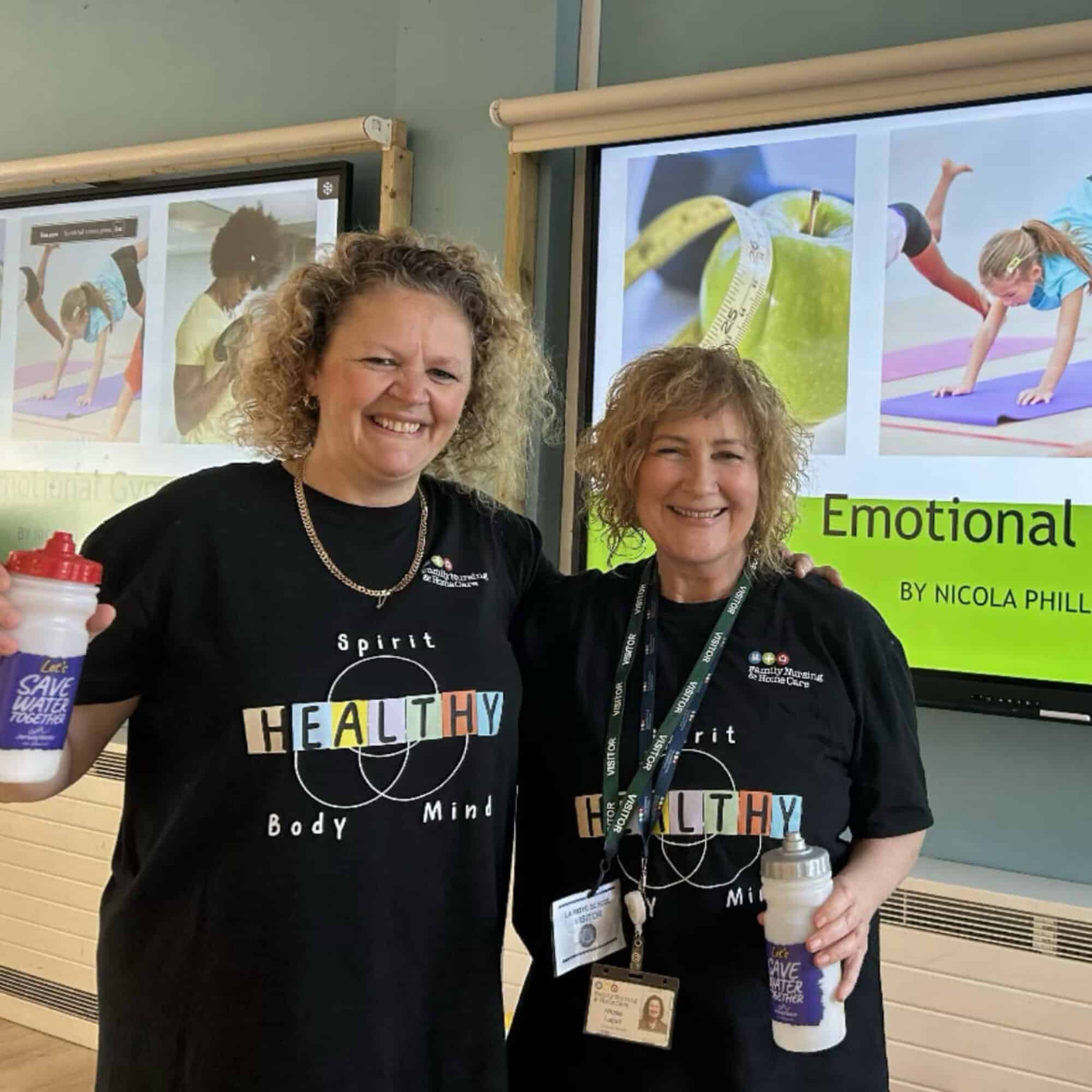
👩⚕️ Family Nursing & Home Care – School Nursing Team
When to contact: If it’s not an emergency, and you need advice or support with healthy eating, body image, mental health, self-harm, relationships, sexual health, exam anxiety, bullying, cyberbullying, family issues, alcohol, smoking/vaping, or any other wellbeing concerns.
How to get in touch: Speak to a teacher or member of school staff and ask them to arrange an appointment with your school nurse.
🏥 Your GP (Doctor)
When to call: If you need help with your mental or physical health and it’s not an emergency. They can offer guidance, treatment, or refer you to specialist services.
🚨 Emergency Services – 999
When to call: If you or someone else is in immediate danger, at risk of harm, or needs urgent medical help.