
Remote Monitoring Project
Supporting Islanders to Start Well, Live Well and Age Well at Home
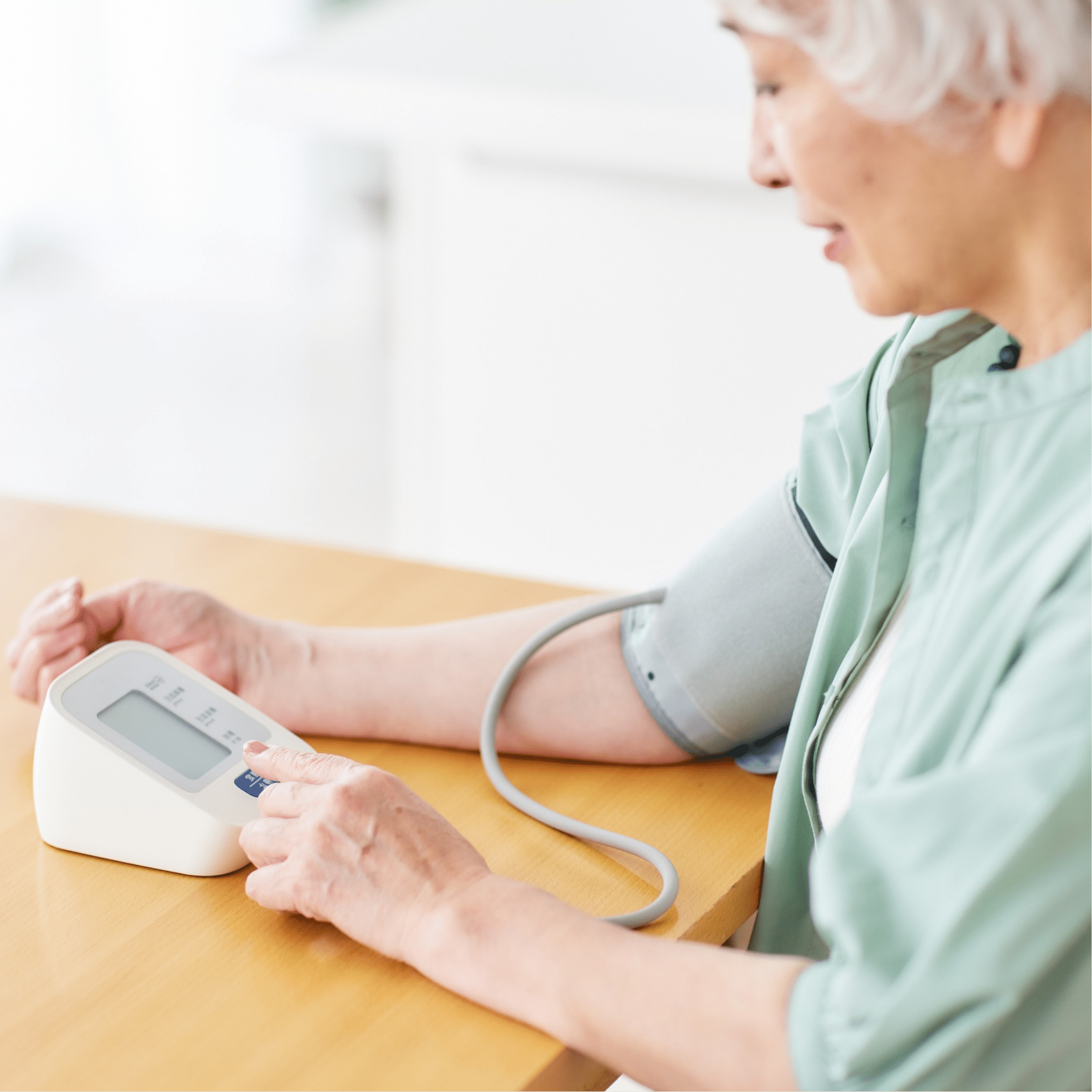
Family Nursing & Home Care (FNHC) is delivering a two-year pilot programme exploring how remote monitoring technology can strengthen community healthcare in Jersey.
This initiative supports our mission to help Islanders start well, live well and age well, by combining compassionate nursing care with carefully selected digital tools that enhance proactive, preventative support at home.
Funded through Impact Jersey under the CareTech Challenge and administered by Digital Jersey, the pilot will evaluate how technology-enabled care can improve outcomes for patients while maintaining the personal, relationship-based care that defines FNHC services.

Technology Partners
FNHC is working in partnership with Graphnet Health and Luscii to deliver this pilot.
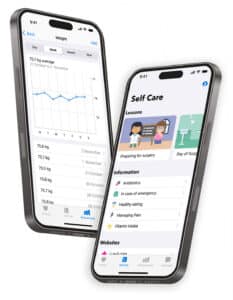
Luscii provides the remote monitoring platform used by clinicians and patients. It enables secure submission of health readings and supports clinical oversight through structured review processes.
Graphnet provides system integration and technical support to ensure the platform works safely and effectively within FNHC’s digital environment.
Both organisations have experience supporting remote monitoring services within the UK and Europe. The pilot allows FNHC to evaluate how this technology can be safely adapted for Jersey’s community healthcare setting.
About the Pilot Programme
Remote monitoring forms part of FNHC’s ongoing commitment to strengthening community-based care.
Through this pilot, selected patients are supported to share health information from home, allowing clinicians to review readings as part of planned care.
The sections opposite explain how the programme works in practice and what patients can expect.
-
What is remote monitoring?
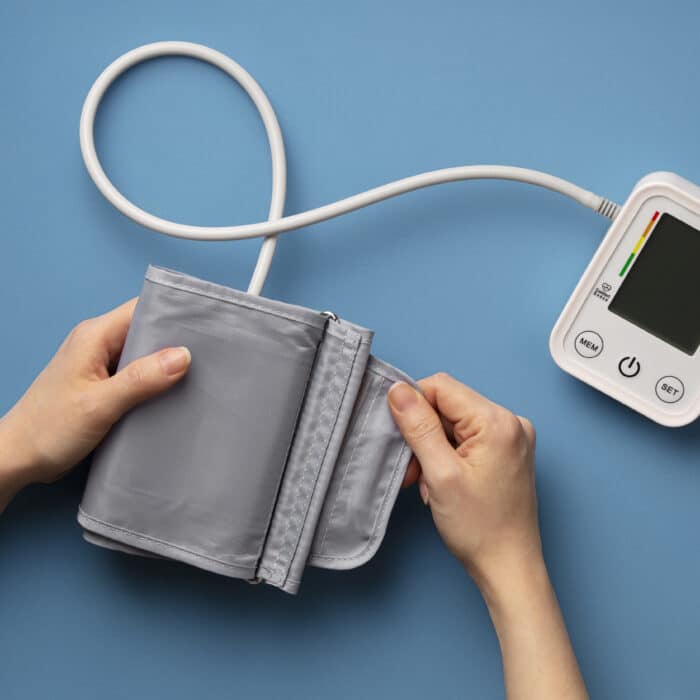
Remote monitoring allows selected patients to submit simple health readings from home using easy-to-use equipment provided by FNHC.
Depending on clinical need, this may include:
• Blood pressure
• Oxygen levels (pulse oximetry)
• Temperature
• Symptom questionnaires
Patients are provided with a tablet device and any necessary equipment. Readings are usually submitted once a week as part of planned care.
This is not continuous or 24-hour surveillance.
A clinician reviews the information and incorporates it into the patient’s ongoing care plan. -
Who is this pilot for?
The pilot is currently being offered to a small number of selected patients who are already receiving care from FNHC services, including District Nursing and Frailty pathways.
It is not open to public self-referral at this stage.
Patients are identified and invited by their clinical team. -
How does this support patient care?
The pilot aims to:
• Support people to remain safely and confidently at home
• Identify early signs of deterioration
• Reduce avoidable hospital admissions
• Enhance proactive management of long-term conditions
• Strengthen personalised, preventative care
Remote monitoring does not replace usual care. Patients should continue to contact their GP, emergency services, or FNHC in the usual way if they feel unwell.
The technology is designed to enhance clinical insight between visits and not to replace face-to-face care. -
Is the equipment difficult to use?
No.
The equipment has been selected for its simplicity and accessibility. Patients receive guidance during onboarding, and support is available if needed.
Many older adults are already confident technology users, and we recognise that with the right support, digital tools can increase confidence rather than create barriers. -
Why are we running a pilot?
This is a structured two-year pilot programme.
We are starting small and evaluating carefully before making any long-term decisions.
Over the course of the project, we will assess:
• Clinical outcomes
• Patient experience
• Staff experience
• Service impact
• Cost effectiveness
The findings will inform whether remote monitoring should be expanded to additional pathways in the future, such as diabetes or wound care. -
Where can I find out more?
Further updates will be shared as the pilot progresses.
If you are currently receiving care from FNHC and would like to know more, please speak to your clinical team.
Remote Monitoring in the News
News articles, interviews and broadcasts featuring our Remote Monitoring Pilot.


Interested in taking part?
Complete our online form to register your interest in taking part in our remote monitoring programme.
A member of our team will contact you to discuss the programme and check whether it may be suitable for you.
Thank you